Bernedoodle Sizes Explained
Micro Mini to Standard XL, Plus the Munchkin: Finding the Right Fit for Your Family
Micro Mini Bernedoodles (under 20 lbs)
The Micro Mini is the smallest Bernedoodle footprint, perfect for studio apartments, frequent travelers, and anyone who wants Bernedoodle temperament in a truly compact companion. Same emotional intelligence, pocket-sized.
Micro Minis carry the longest potential lifespan in the lineup. Despite their small size, they maintain the breed's signature affectionate, emotionally intuitive personality. Patella evaluations and CDDY testing are especially important in this size category.
Petite Mini Bernedoodles (20–30 lbs)
The Petite Mini sits between the Micro Mini and the Mini. It is small enough for apartment living and easy travel, with enough bone and substance for its size to keep the balanced proportions and expression of a true Bernedoodle.
Like the other small sizes, Petite Minis come from smaller Poodle lines, so patella evaluations and CDDY testing matter here too. A good fit for families who want a little more dog than a Micro Mini without stepping up to a full Mini.
Munchkin Bernedoodles (10–25 lbs)
The Munchkin is a type rather than a standardized size class, so its range is a typical one rather than a rule: most Munchkins weigh 10 to 25 pounds. Munchkin Bernedoodles include Cavalier King Charles Spaniel in the mix to create a well-rounded temperament and a rounder, softer face structure at a smaller size. These are ideal for seniors, apartment dwellers, city living, and families who want the Bernedoodle personality in a travel-friendly package.
Munchkins tend to have longer lifespans at 14 to 16 years. They retain the Bernedoodle's characteristic sweetness and emotional intelligence but in a compact package. Patella evaluations become important in this size category, along with CDDY testing.
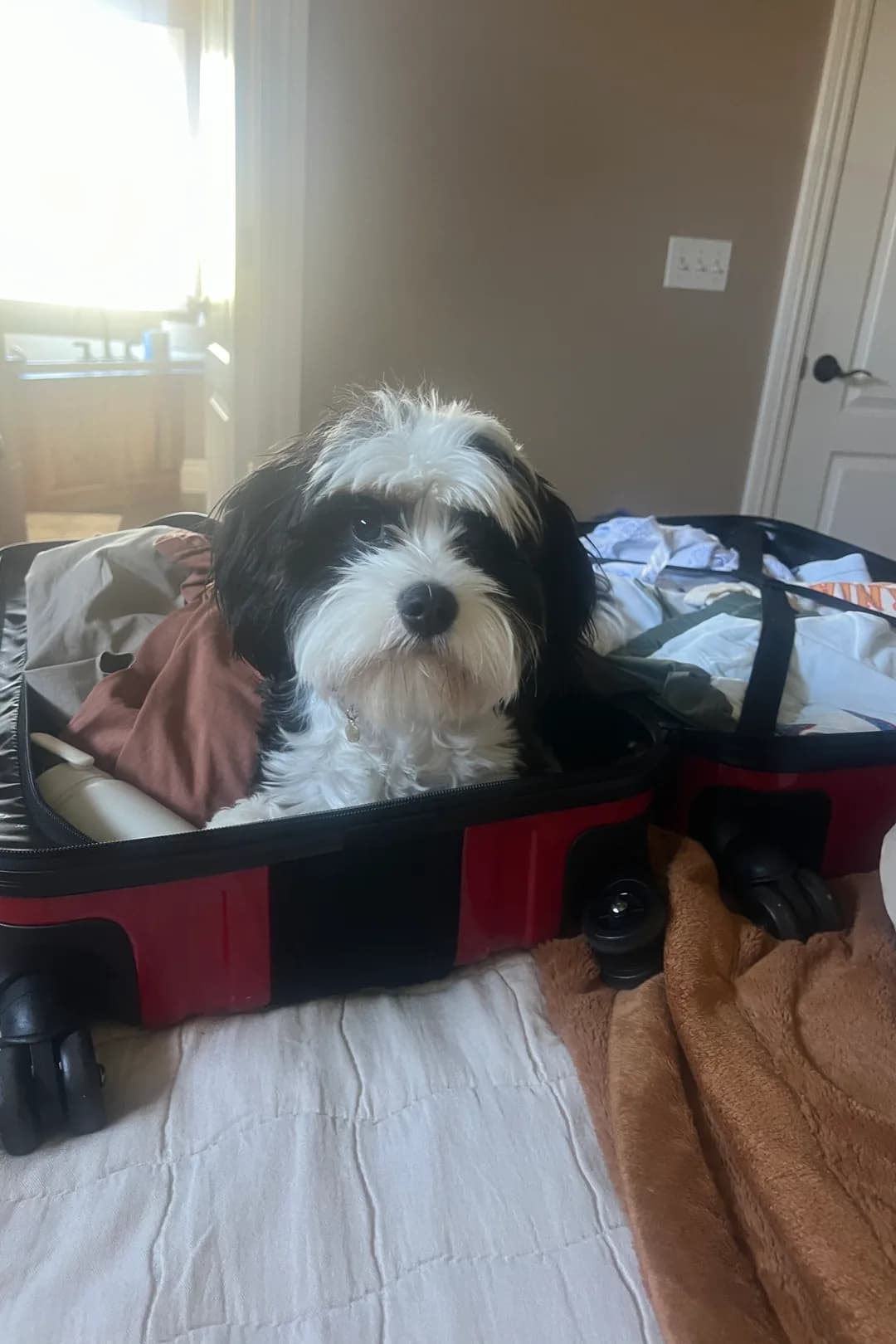
Mini Bernedoodles (30–50 lbs)
The Mini Bernedoodle is perhaps the most versatile size category. Large enough to feel like a 'real dog' but compact enough for apartment living, townhomes, and easier travel. They are typically produced using Miniature Poodle lines.
Minis tend to have slightly more energy than Standards and can be more playful and spirited. Their lifespan averages 12 to 14 years. In mini lines, CDDY testing is especially important: responsible breeders achieve smaller size through CDDY-clear Miniature Poodle lines rather than through the chondrodystrophy gene. Often the sweet spot for families balancing space and the desire for a dog with real presence.
Medium Bernedoodles (40–60 lbs)
The Medium Bernedoodle is a versatile size that balances the Standard's presence with more manageable proportions. They carry the same calm disposition and Bernese expression but in a frame that works well in larger townhouses and suburban homes.
Mediums are ideal for active families who want a substantial dog without the full footprint of a Standard. Their lifespan is comparable to Standards, averaging 10 to 13 years. They are slightly easier to travel with and manage in everyday settings while still feeling like a 'big dog.'
Standard Bernedoodles (60–90 lbs)
The Standard Bernedoodle carries the most impressive Bernese Mountain Dog presence: heavy bone, broad chest, and a commanding yet gentle demeanor. These are substantial dogs that need space to move and a family that can handle a large breed. They are typically produced from Standard Poodle crosses.
Standards tend to be among the calmest sizes, with a dignified energy level that suits families who want a companion for hiking and outdoor activity but also appreciate a quiet evening at home. Their lifespan averages 10 to 12 years. Hip and elbow evaluations are particularly important in this size category. Best for families with a house and yard who want the full Bernedoodle experience.

Standard XL Bernedoodles (90+ lbs)
The Standard XL is the upper end of the Bernedoodle size range. These are big, powerful dogs, and greater size should come with the frame, bone and muscle to match.
Size alone is never the goal: soundness, movement, balance and health matter more than extra pounds. Hip and elbow evaluations are especially important at this size, and families should plan for the space a very large dog needs.
How Size Is Achieved Responsibly
Responsible size reduction uses smaller Poodle lines, not dwarfism genes, stunting, or breeding runts to runts. The Poodle parent's size is the primary determinant of the offspring's size range. In multigenerational programs, breeders have generational data showing consistent size ranges within their lines.
Size predictions are estimates, not guarantees. Genetics from multiple generations can produce surprises, especially in first-generation crosses. Breeders with multigenerational data and documented litter outcomes can give more accurate predictions than those working with first crosses. Ask about the sizes of not just the parents, but the grandparents and previous litter siblings.
What are the sizes of both parents and grandparents? What size range do you expect for this litter? Do you have data from previous litters showing adult sizes? How do you achieve smaller sizes, and do you use CDDY-clear lines?
Related Articles
Explore more from our knowledge base